
What Is the Recovery Time for Dental Implants?

Gum Disease Treatment Chicago: Save Your Smile Before It’s Too Late
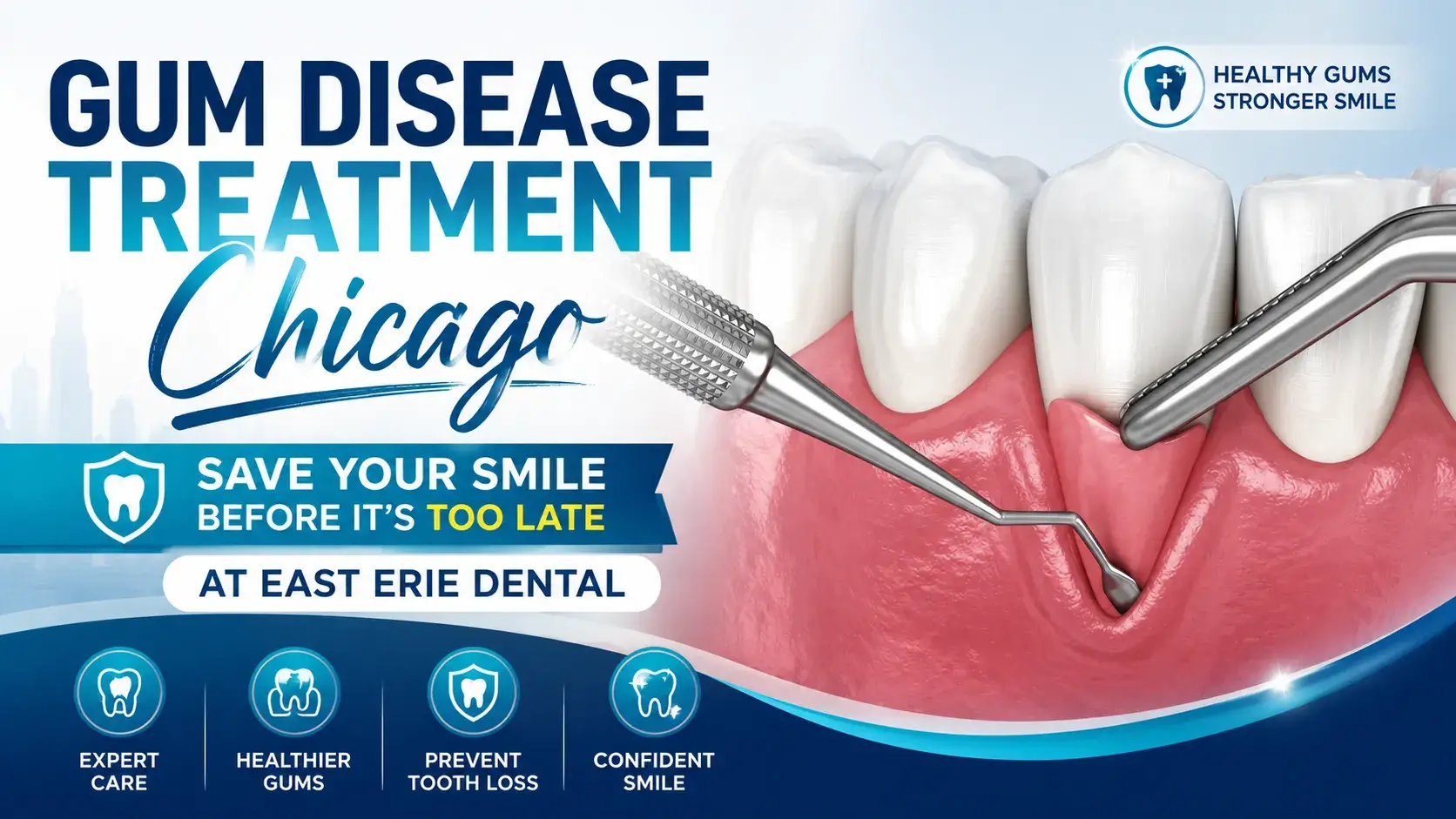
Get expert gum disease treatment in Chicago at East Erie Dental. Advanced periodontal care, deep cleaning, and personalized solutions for healthy gums.
Your gums are the foundation of your smile. While many people focus on keeping their teeth white and cavity-free, gum health often gets overlooked until serious symptoms appear. Bleeding gums, bad breath, gum recession, and loose teeth can all be warning signs of gum disease.
If you’re searching for gum disease treatment Chicago, you’re taking an important step toward protecting your oral health and preventing long-term complications.
At East Erie Dental, we provide advanced periodontal care designed to stop gum disease, restore gum health, and help Chicago residents maintain beautiful, confident smiles for years to come.
Healthy Gums, Healthy Smile, Healthy Life
What Is Gum Disease?
Gum disease, also known as periodontal disease, is a bacterial infection that affects the tissues surrounding and supporting your teeth.
It begins when plaque and bacteria accumulate along the gumline. Without proper treatment, the infection can progress deeper into the gums and bone, potentially leading to tooth loss.
According to dental professionals, gum disease remains one of the leading causes of adult tooth loss, yet it is highly preventable and treatable when detected early.
Why Chicago Residents Should Take Gum Disease Seriously
Life in Chicago is busy. Between work, family responsibilities, and daily routines, many people postpone dental visits until symptoms become painful or noticeable.
Unfortunately, gum disease often progresses silently.
Many patients don’t realize they have a problem until they experience:
- ✅ Persistent bad breath
- ✅ Bleeding while brushing
- ✅ Swollen or red gums
- ✅ Gum recession
- ✅ Tooth sensitivity
- ✅ Loose teeth
- ✅ Pain while chewing
The earlier treatment begins, the easier it is to prevent permanent damage.
Signs You May Need Gum Disease Treatment in Chicago
Bleeding Gums:
Healthy gums should not bleed during brushing or flossing.
Chronic Bad Breath:
Persistent bad breath may indicate bacterial buildup beneath the gumline.
Red, Swollen Gums:
Inflammation is often one of the earliest signs of infection.
Receding Gums:
If your teeth appear longer than before, gum recession could be occurring.
Loose Teeth:
Advanced periodontal disease can weaken the bone supporting your teeth.
Pus Around Gums:
This may indicate a serious infection requiring immediate dental care.
If you notice any of these symptoms, schedule an evaluation at East Erie Dental as soon as possible.
Understanding the Stages of Gum Disease
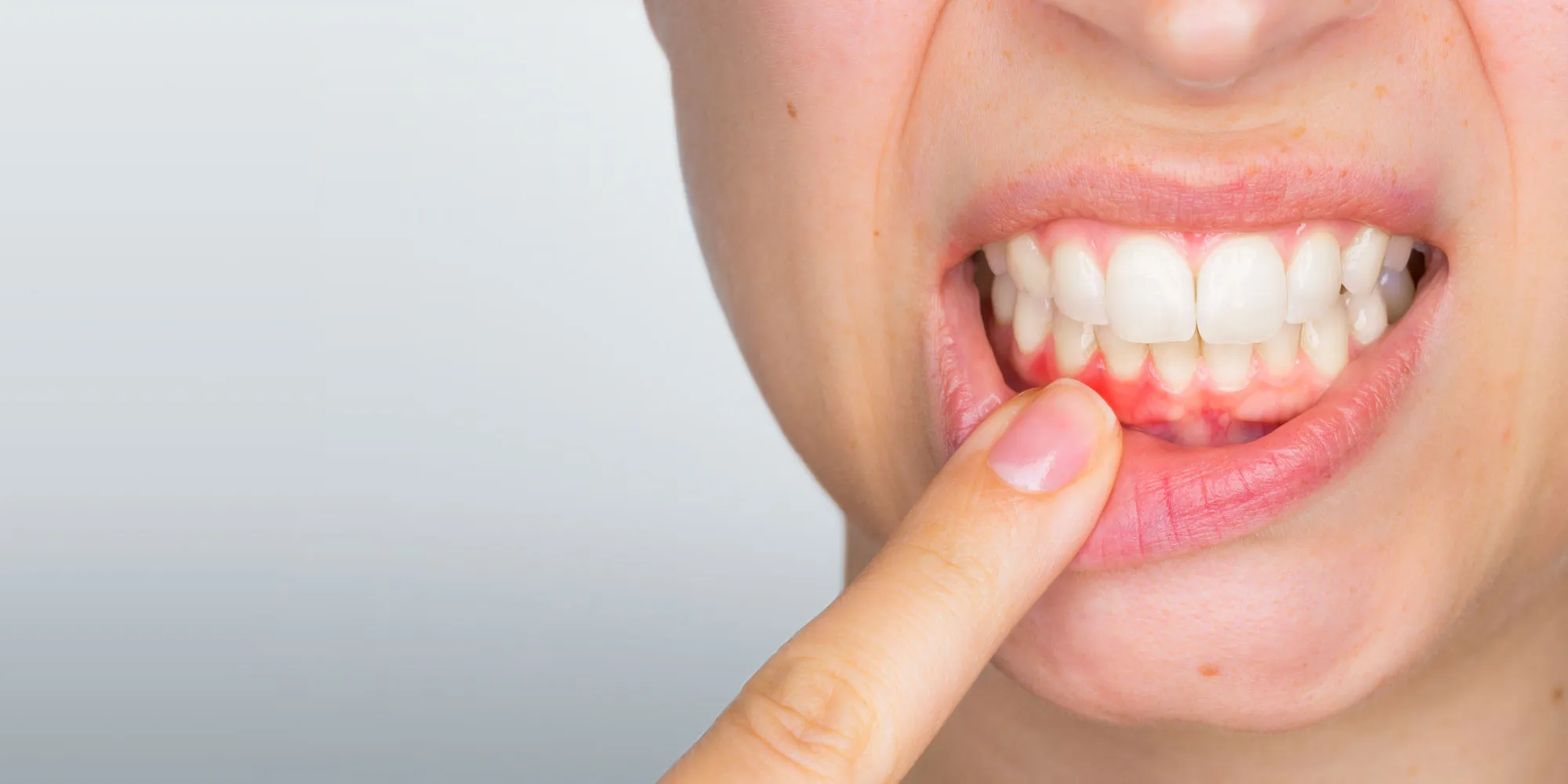
Stage 1: Gingivitis
Gingivitis is the earliest and most treatable stage.
Common symptoms include:
- Mild bleeding
- Gum redness
- Swelling
- Bad breath
At this stage, professional cleanings and improved oral hygiene can often reverse the condition completely.
Stage 2: Early Periodontitis
When gingivitis is left untreated, bacteria begin attacking the tissues supporting the teeth.
Symptoms may include:
- Deeper gum pockets
- Increased bleeding
- Gum recession
Professional periodontal treatment becomes necessary.
Stage 3: Moderate Periodontitis
The infection spreads deeper into the bone and supporting structures.
Patients may experience:
- Loose teeth
- Significant gum recession
- Chronic inflammation
Treatment becomes more extensive to preserve natural teeth.
Stage 4: Advanced Periodontitis
This severe stage can result in:
- Tooth loss
- Bone deterioration
- Severe infection
Immediate intervention is critical to restore oral health.
Advanced Gum Disease Treatment Options at East Erie Dental
Every patient’s condition is unique. Our Chicago dental team creates personalized treatment plans based on the severity of the disease.
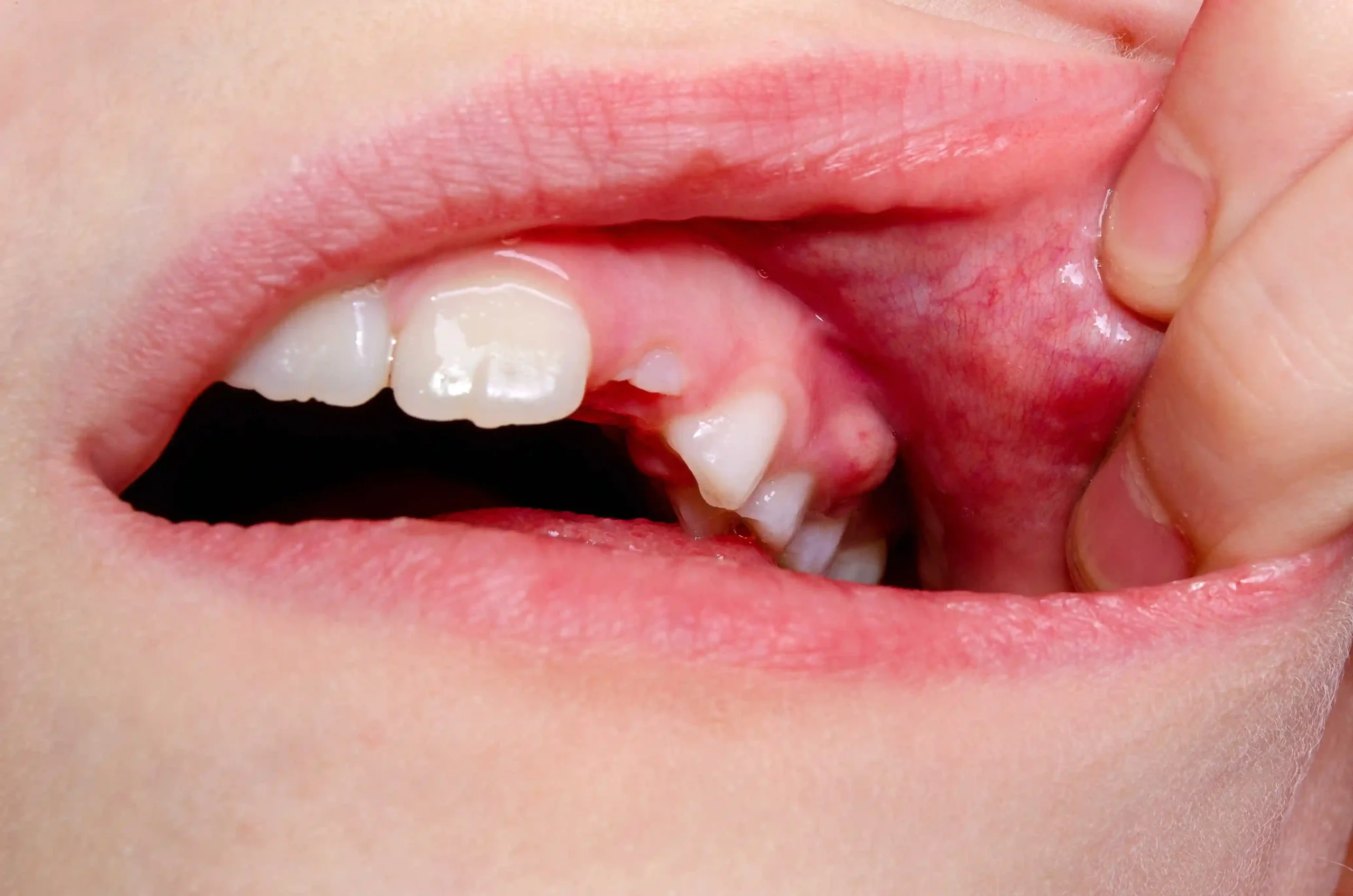
Comprehensive Periodontal Evaluation:
Treatment begins with a detailed examination of:
- Gum health
- Bone levels
- Pocket depth measurements
- Dental X-rays
This allows us to identify the stage of disease and recommend the most effective solution.
Scaling and Root Planing (Deep Cleaning):
One of the most common and effective non-surgical gum disease treatments.
This procedure involves:
- Removing plaque and tartar below the gumline
- Smoothing tooth roots
- Reducing bacterial build-up
- Encouraging gum reattachment
Many patients experience significant improvement after treatment.
Antibacterial Therapy:
In some cases, antimicrobial medications may be used to:
- Reduce bacterial growth
- Control infection
- Support healing
These treatments are often combined with deep cleaning procedures.
Periodontal Maintenance:
Patients with a history of gum disease often benefit from ongoing periodontal maintenance visits.
These appointments help:
- Prevent recurrence
- Monitor gum health
- Remove bacteria before it causes damage
Advanced Restorative Solutions:
When gum disease has caused tooth loss or damage, restorative treatments may help rebuild your smile and oral function.
Why Early Treatment Matters
Many patients underestimate the effects of gum disease.
Untreated periodontal disease can contribute to:
Tooth Loss:
Advanced infection destroys the structures supporting your teeth.
Bone Loss:
The jawbone may gradually deteriorate.
Higher Treatment Costs:
Early treatment is often less invasive and more affordable.
Overall Health Concerns:
Research has linked gum disease to various systemic health conditions.
Prompt treatment protects both your smile and overall well-being.
Advantages of Professional Gum Disease Treatment
Stops Disease Progression:
Professional care prevents further damage.
Saves Natural Teeth:
Early intervention increases tooth retention.
Fresher Breath:
Eliminating bacteria often improves breath quality.
Healthier Appearance:
Gums become firmer, pinker, and healthier.
Improved Comfort:
Reduced inflammation means less sensitivity and discomfort.
Better Long-Term Oral Health:
Healthy gums provide a stable foundation for your teeth.
Safety and Precautions During Treatment
At East Erie Dental, patient safety is always a priority.
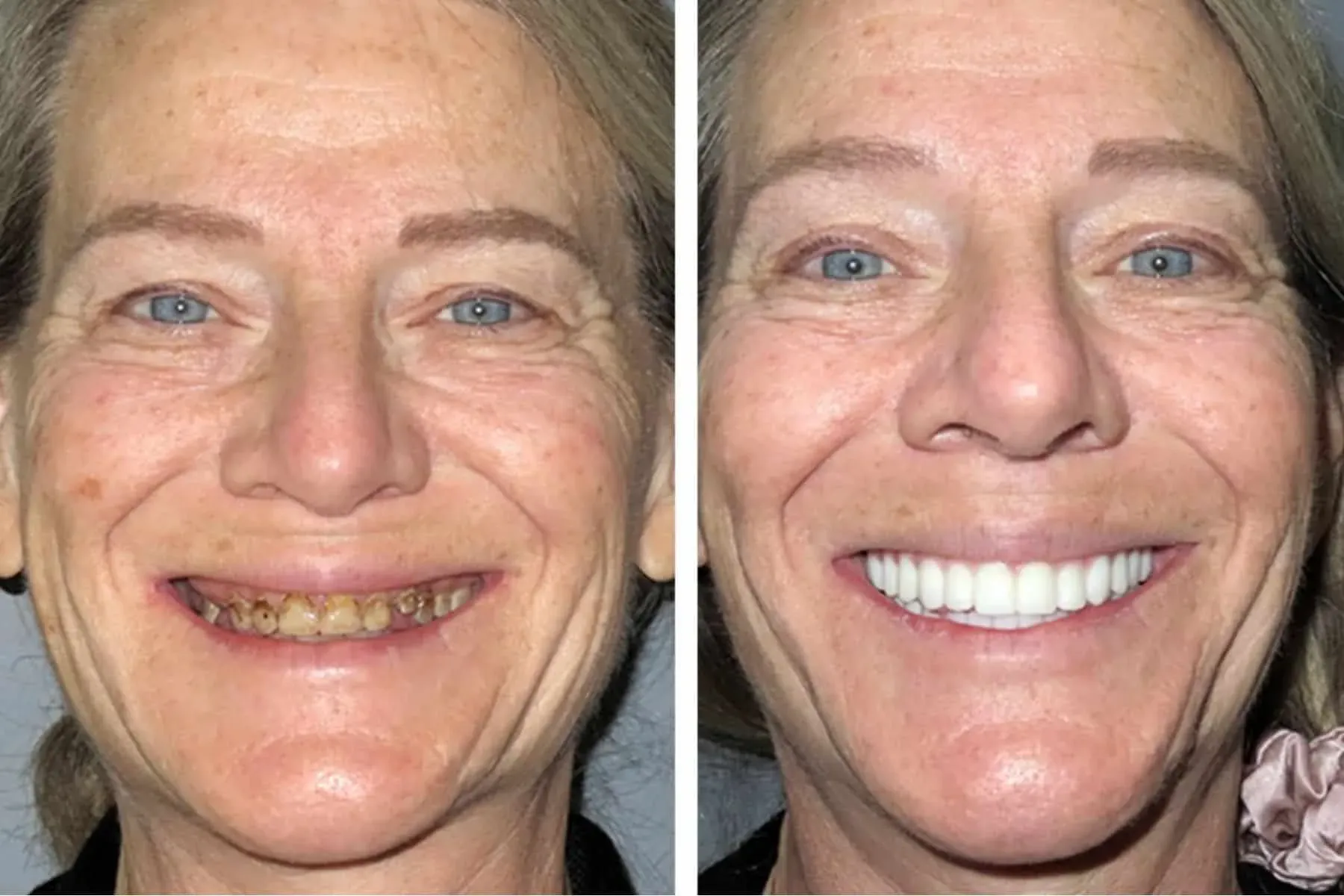
Before Treatment:
- Share your medical history
- Inform the dentist about medications
- Discuss any health concerns
After Treatment:
- Follow oral hygiene instructions
- Avoid smoking
- Attend follow-up visits
- Maintain regular dental cleanings
These precautions support optimal healing and long-term success.
How to Prevent Gum Disease
Prevention is always easier than treatment.
Brush Twice Daily:
Use fluoride toothpaste and proper brushing techniques.
Floss Every Day:
Flossing removes bacteria between teeth.
Schedule Routine Dental Visits:
Professional cleanings help prevent plaque build-up.
Eat a Balanced Diet:
Nutrient-rich foods support gum health.
Avoid Tobacco Products:
Smoking significantly increases the risk of periodontal disease.
Stay Hydrated:
Adequate hydration helps maintain a healthy oral environment.
Why Chicago Patients Choose East Erie Dental
When searching for gum disease treatment in Chicago, experience and patient-Centered care matter.
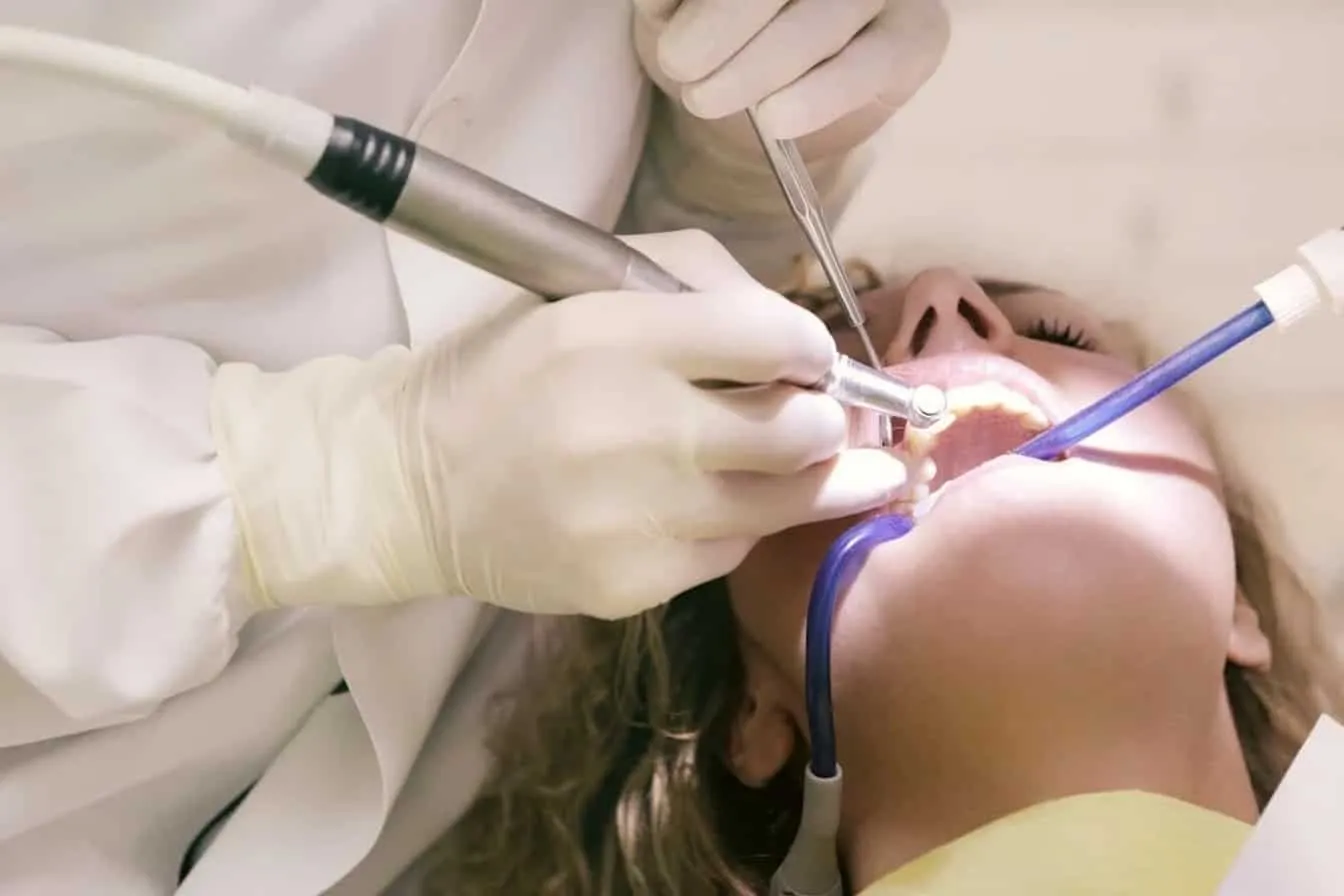
East Erie Dental provides:
- ✔ Comprehensive periodontal evaluations
- ✔ Advanced treatment technology
- ✔ Personalized care plans
- ✔ Comfortable treatment environment
- ✔ Preventive and restorative solutions
- ✔ Convenient downtown Chicago location
Our goal is to help every patient achieve healthy gums and a confident smile.
Real Patient Experience
⭐⭐⭐⭐⭐ “Worked soooo well with Jocelyn over this process she’s been so helpful and so supportive. She does it all with a smile. Dr. Parker and Yati have become some of my favorite people. So glad I was able to do this process without feeling judged” – Michaela Gunn
⭐⭐⭐⭐⭐ “Such a great experience!! Accommodated me for a last minute visit and were able to work around my busy schedule. The office is clean and beautiful. Everyone was so sweet and helpful. Highly recommended especially as a North-western resident!” – Nicole Diaz
⭐⭐⭐⭐⭐ “Jocelyn and Dr. Mina were amazing! They were super helpful making my dental plan and process understandable and pain free. I would highly recommend coming here for all your dental needs!” – Stephanie Hamilton
Frequently Asked Questions About Gum Disease Treatment Chicago
Q1. Is gum disease reversible?
Ans: Gingivitis, the earliest stage of gum disease, can often be reversed with professional treatment and improved oral hygiene. More advanced stages can be managed effectively to prevent further damage.
Q2. Does gum disease treatment hurt?
Ans: Modern techniques and local anaesthesia help ensure patient comfort during treatment.
Q3. How long does treatment take?
Ans: Treatment time varies depending on the severity of the condition and the recommended procedures.
Q4. Can gum disease cause tooth loss?
Ans: Yes. Untreated periodontal disease is one of the leading causes of tooth loss in adults.
Q5. How often should I visit the dentist after treatment?
Ans: Many patients benefit from periodontal maintenance visits every three to four months.
Q6. What are the first signs of gum disease?
Ans: Bleeding gums, bad breath, redness, swelling, and gum sensitivity are common early warning signs.
Take the First Step Toward Healthier Gums
Your gums play a critical role in protecting your teeth, smile, and overall oral health. Ignoring symptoms can lead to serious complications, but early treatment can make all the difference.
If you’re experiencing bleeding gums, gum recession, bad breath, or other warning signs, now is the time to seek professional care.
East Erie Dental proudly provides advanced gum disease treatment in Chicago, helping patients restore healthy gums, preserve natural teeth, and smile with confidence.
More Blog Posts






Copyright © East Erie Dental - SE Chicago Dentistry. All Rights Reserved
(312) 587-0200
You have loaded the Cookie Policy without javascript support. On AMP, you can use the manage consent button on the bottom of the page.