What Is the Difference Between a Regular Cleaning and a Deep Cleaning?

What Is the Difference Between a Regular Cleaning and a Deep Cleaning?
Many patients are surprised when a dentist mentions a deep cleaning after years of routine six-month visits. It can sound like a much bigger deal than the cleaning you are used to, and it is natural to wonder what changed. The truth is that the two treatments serve different purposes, and understanding the difference makes it much easier to know what your dentist is recommending and why.
Here is a clear look at how a regular cleaning and a deep cleaning compare, who each one is designed for, and what to expect from both.
What Is a Regular Cleaning?
A regular cleaning, also called a prophylaxis, is a preventive visit designed for patients whose gums are healthy. It removes the plaque and tartar that build up on the teeth between visits, even when you brush and floss carefully. Some areas of the mouth are simply difficult to reach at home, and hardened tartar cannot be brushed away once it has formed.
During a routine visit, a hygienist cleans the surfaces of your teeth, polishes away surface stains, and checks the overall condition of your mouth. It is usually paired with an exam so your dentist can look for early signs of cavities, gum changes, or other concerns before they become bigger problems. At East Erie Dental, these visits are part of our dental exam and cleaning care, and they are the foundation of keeping your smile healthy for the long term.
Most patients are advised to come in about every six months, although your dentist may suggest a different schedule based on your individual needs.
What Is a Deep Cleaning?
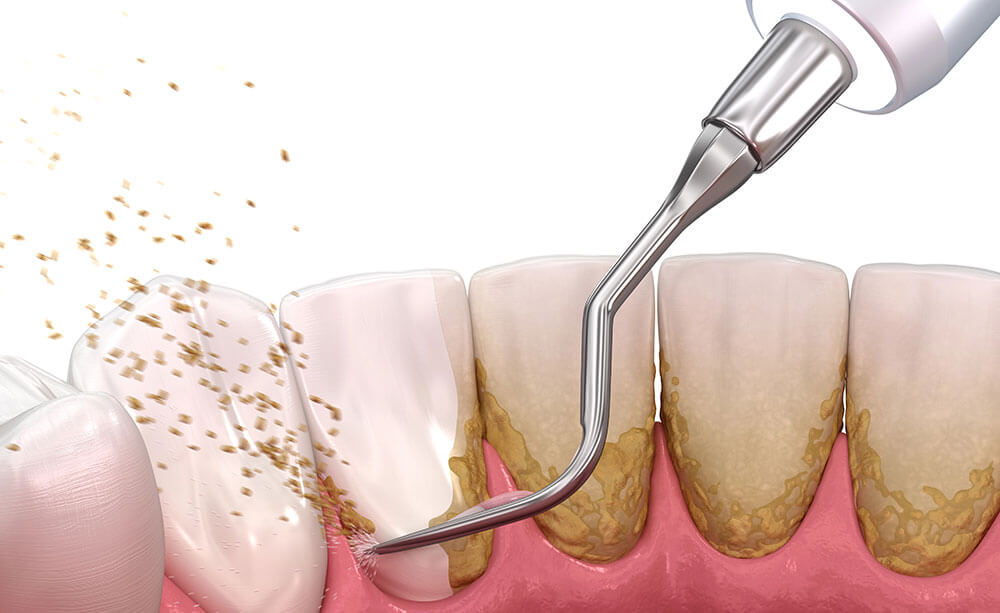
A deep cleaning is a more thorough treatment that goes beyond the visible surfaces of the teeth. It is recommended when plaque and tartar have built up below the gumline and the gums have begun to react. Instead of simply maintaining healthy teeth and gums, a deep cleaning is meant to help bring irritated gum tissue back toward a healthier state.
Because the work reaches areas that a routine cleaning does not, it is often done in more than one visit and may involve numbing the area so you stay comfortable. You may hear it called scaling and root planing, which simply describes cleaning along the tooth surfaces beneath the gums and smoothing them so the tissue can heal more easily.
A deep cleaning is typically part of gum disease treatment, which is why it tends to be recommended only when there are signs that the gums need extra attention.
The Main Differences at a Glance
The easiest way to separate the two is prevention versus treatment. A regular cleaning keeps a healthy mouth healthy, focuses on the teeth above the gumline, and usually takes a single appointment. A deep cleaning addresses a problem that has already started, focuses on the areas below the gumline, and often takes more than one visit. Afterward, the gums can feel a little tender for a few days as they heal.
How Do You Know Which One You Need?
You cannot always tell on your own. Gum problems often develop quietly, and early stages may not cause pain. That is one reason regular exams matter so much. Your dentist and hygienist can see changes that are easy to miss at home, such as gums that bleed easily, pockets forming around the teeth, or tartar sitting below the gumline.
Some signs that your gums may need more than a routine cleaning include:
- Gums that look red, puffy, or tender
- Bleeding when you brush or floss
- Persistent bad breath that does not go away
- Gums that seem to be pulling away from the teeth
If you notice any of these, it is a good idea to schedule an exam rather than wait. Catching gum concerns early usually means simpler treatment and a smoother path back to healthy gums.
Why Skipping Visits Can Lead to a Deep Cleaning
One of the most common reasons patients end up needing a deep cleaning is a long gap between dental visits. When tartar sits on the teeth for months or years, it can work its way beneath the gums and irritate the tissue. A regular cleaning can no longer reach it, and the situation moves from prevention to treatment.
The encouraging part is that this is largely avoidable. If you have been away from the dentist for a while, there is no need to feel embarrassed. The best step is simply to come in and find out where things stand.
What Happens After a Deep Cleaning?
Once a deep cleaning is finished, your dentist will usually schedule a follow-up to see how the gums are responding. Many patients then move to more frequent cleanings for a period of time to keep the area healthy. Your dentist will explain what makes sense for you.
Good home care is a big part of the outcome, and healthy gums also make other goals easier to reach. If you want a brighter smile, for example, clean teeth and healthy gums set the stage for teeth whitening that looks its best.
Schedule Your Cleaning at East Erie Dental in Streeterville, Chicago
Whether you are due for a routine cleaning or want to know if your gums need extra care, our team takes the time to explain what we see so you understand every recommendation.
East Erie Dental is located at 233 E Erie St, #406, Chicago, IL 60611, and we welcome new patients from Streeterville and the surrounding Chicago area. We accept many popular dental plans, and you can find more details on our insurance page. Request an appointment online to get started.
Frequently Asked Questions
Is a deep cleaning more painful than a regular cleaning?
A deep cleaning can involve more sensitivity because the work reaches below the gumline, which is why the area is often numbed for comfort. Most patients tolerate it well, and some tenderness in the gums for a few days afterward is common.
How often should I get a regular cleaning?
Most patients come in about twice a year, but your dentist may recommend a different schedule depending on your gum health, history, and overall needs.
Can a regular cleaning replace a deep cleaning?
No. A regular cleaning is designed for healthy gums, while a deep cleaning is meant for situations where buildup has reached beneath the gumline. If your dentist recommends a deep cleaning, a routine visit will not address the same concerns.
Can I prevent needing a deep cleaning?
In many cases, yes. Brushing twice a day, flossing daily, and keeping up with routine exams and cleanings give you the best chance of keeping your gums healthy and avoiding more involved treatment.
Disclaimer
This content is intended for general informational purposes only and does not constitute medical or dental advice. Every patient’s situation is unique, and treatment experiences may vary. Please consult with a qualified dental professional for guidance specific to your individual needs and circumstances.
More Blog Posts










Copyright © East Erie Dental - SE Chicago Dentistry. All Rights Reserved
(312) 587-0200
You have loaded the Cookie Policy without javascript support. On AMP, you can use the manage consent button on the bottom of the page.