What Is the Difference Between a Regular Cleaning and a Deep Cleaning?

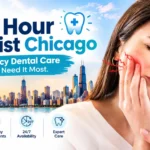
24 Hour Dentist Chicago: Emergency Dental Care When You Need It Most
Sudden Tooth Pain? Know Your Options for Urgent Dental Care in Chicago.
A severe toothache rarely arrives at a convenient time. It may start late at night, interrupt your sleep, or become unbearable during a busy workday. A chipped tooth after dinner, swelling around the gums, or a lost dental crown can quickly turn an ordinary day into a stressful experience.
If you are searching for a 24 hour dentist in Chicago, you probably want answers quickly: Where can you get help? Is your dental problem an emergency? What can you do until you see a dentist?
At East Erie Dental, located at 233 E Erie St, Suite 406, Chicago, IL 60611, we understand how important timely dental care and clear guidance are when oral health problems occur. If you experience a dental emergency, contact our office to ask about availability and appropriate next steps.
This guide explains common dental emergencies, what to do before your appointment, and how to find the right emergency dental care in Chicago.
Why Search for a 24 Hour Dentist in Chicago?
Chicago is a busy city where work schedules, commuting, family responsibilities, and unexpected accidents can make dental problems especially stressful. Unfortunately, tooth pain does not always wait for regular office hours.
A search for a 24 hour dentist Chicago may mean you need immediate treatment, an emergency dentist accepting same-day appointments, or a dental office that provides after-hours instructions.
However, not every dental office operates 24 hours a day. Always confirm opening hours, emergency availability, and whether the practice can treat your specific condition before traveling.
If you are experiencing a dental emergency, prompt professional advice can help you understand the safest next step.
7 Dental Emergencies That Should Never Be Ignored
1. Severe or Persistent Toothache
A sudden, intense toothache may result from advanced tooth decay, inflammation inside the tooth, a cracked tooth, or an infection.
You should contact a dentist promptly if the pain is severe, continues to worsen, interrupts sleep, or returns repeatedly.
What you can do: Gently rinse your mouth with warm water and carefully floss if you suspect food is trapped between your teeth. Avoid chewing on the painful side and arrange a dental evaluation.
Do not assume that pain disappearing means the underlying problem has healed.
2. Knocked-Out Tooth
A permanent tooth knocked out during sports, an accident, or a fall requires immediate attention. Acting quickly may improve the possibility of saving the tooth.
What you can do:
- Pick up the tooth by its crown, not the root.
- If dirty, gently rinse it without scrubbing.
- If possible, carefully reposition it in its socket without forcing it.
- If you cannot reposition it, keep it moist in milk or an appropriate tooth-preservation solution.
- Seek urgent dental care immediately.
3. Broken, Cracked, or Chipped Tooth
A cracked tooth can cause sensitivity, pain while chewing, or discomfort when exposed to hot and cold temperatures. A significant fracture may expose sensitive inner tooth structures.
Rinse gently with warm water, use a cold compress against the outside of your cheek if swelling occurs, and save any broken fragments if possible.
Avoid biting hard foods and do not attempt to glue the tooth back together. A dentist must assess the damage and recommend appropriate treatment.
4. Swollen Gums, Face, or Jaw
Swelling around a tooth or jaw can indicate an infection, including a dental abscess. Other warning signs include a bad taste, pus, fever, or increasing pain.
Important: Facial or neck swelling accompanied by difficulty breathing or swallowing requires immediate emergency medical care. Call 911 or go to the nearest emergency department.
Do not attempt to drain an abscess yourself. Dental infections require professional assessment and treatment.
5. Lost Filling or Dental Crown
A lost filling or crown can expose sensitive tooth structures and make eating uncomfortable. Even if the pain is mild, the affected tooth may need prompt attention.
Keep the crown if you still have it, avoid chewing on that side, and contact your dentist for advice. Do not use household glue or other non-dental adhesives to reattach a restoration.
6. Dental Injury During Sports or an Accident
A blow to the mouth can damage teeth, gums, lips, and surrounding tissues. Some injuries are not immediately obvious.
Seek prompt dental assessment after a significant impact, particularly if a tooth becomes loose, changes position, or breaks.
If the injury involves suspected jaw fractures, uncontrolled bleeding, loss of consciousness, or serious facial trauma, seek emergency medical care.
7. Severe Pain After a Dental Procedure
Some tenderness can occur after dental treatment. However, intense or worsening pain, increasing swelling, persistent bleeding, or fever should not be ignored.
Contact your treating dentist for instructions. If you cannot reach the practice, seek an appropriate urgent dental service. Serious symptoms that affect breathing, swallowing, or overall stability require emergency medical evaluation.
How to Find the Right Emergency Dentist in Chicago
When you search for a 24 hour dentist near me in Chicago, online listings can help you identify possible options. Before choosing a practice, verify the details that matter most.

Check these five things:
- Actual availability: Is the office open now, or does it offer an after-hours emergency service?
- Same-day appointments: Can the practice evaluate urgent dental problems today?
- Relevant treatment: Does the dentist manage your specific concern, such as a broken tooth, severe toothache, or dental infection?
- Location: Is the office convenient to your home, workplace, or current location?
- Costs and payment: Ask about examination fees, diagnostic imaging, estimated treatment costs, insurance, and payment options.
If you are downtown, choosing a conveniently located dental practice may make arranging follow-up care easier.
East Erie Dental is located at 233 E Erie St, Suite 406, Chicago, IL 60611. Contact the office to confirm current hours, appointment availability, and whether your dental concern can be evaluated.
What Treatments Might an Emergency Dentist Recommend?
Emergency dental treatment depends on the cause of your symptoms, the extent of the damage, and your overall oral health. The dentist may examine the affected area and recommend X-rays when appropriate.
Possible treatment options include:
- Tooth-colored fillings: For suitable cavities or certain minor fractures.
- Dental crowns: To protect and restore teeth with significant structural damage.
- Root canal treatment: To address inflammation or infection inside a tooth when the tooth can be saved.
- Tooth extraction: When a tooth is too damaged to be predictably restored or removal is otherwise indicated.
- Treatment for dental infections: Depending on the diagnosis, this may involve drainage or other definitive dental treatment.
- Repair of dental restorations: To address a damaged crown, bridge, or filling.
Not every emergency requires extensive treatment. The goal is to identify the problem, address immediate risks, relieve symptoms, and establish a suitable treatment plan.
For related information, readers can explore our existing articles about root canal treatment in Chicago, dental crowns in Chicago, and tooth extraction in Chicago. Update these links to match the final published URLs on your website.
Benefits of Seeking Prompt Dental Care
Getting the right help at the right time can make a meaningful difference to your oral health.
Potential benefits include:
- Earlier diagnosis: Identifying the cause of pain before the problem progresses.
- Protection of natural teeth: Some injuries, particularly knocked-out permanent teeth, are time-sensitive.
- Better infection management: Prompt assessment helps identify infections that need treatment.
- Relief from discomfort: A dentist can recommend treatment based on the underlying cause.
- A clearer treatment plan: You can understand your options, expected costs, and necessary follow-up care.
Prompt care cannot guarantee that a tooth will be saved or that complications will be prevented. Outcomes depend on the diagnosis, severity, and timing of treatment.
Emergency Dental Care Safety: What Should You Avoid?
When pain strikes, it is tempting to try a quick home remedy. Some approaches can cause additional harm.
Avoid these common mistakes:
- Do not place aspirin directly on your tooth or gums. It can damage oral tissues.
- Do not use household glue to repair a tooth or reattach a crown.
- Do not apply heat to significant facial swelling without professional advice.
- Do not take leftover antibiotics. The correct treatment depends on the diagnosis, and antibiotics are not appropriate for every toothache.
- Do not exceed medication instructions. Ask a healthcare professional or pharmacist about suitable pain relief, especially if you have other medical conditions, take other medicines, or are unsure what is safe for you.
- Do not ignore fever or spreading swelling. Seek urgent assessment, particularly if symptoms worsen.
Home care may offer temporary comfort, but it cannot replace professional treatment when a serious dental problem is present.
East Erie Dental: Your Downtown Chicago Dental Care Resource
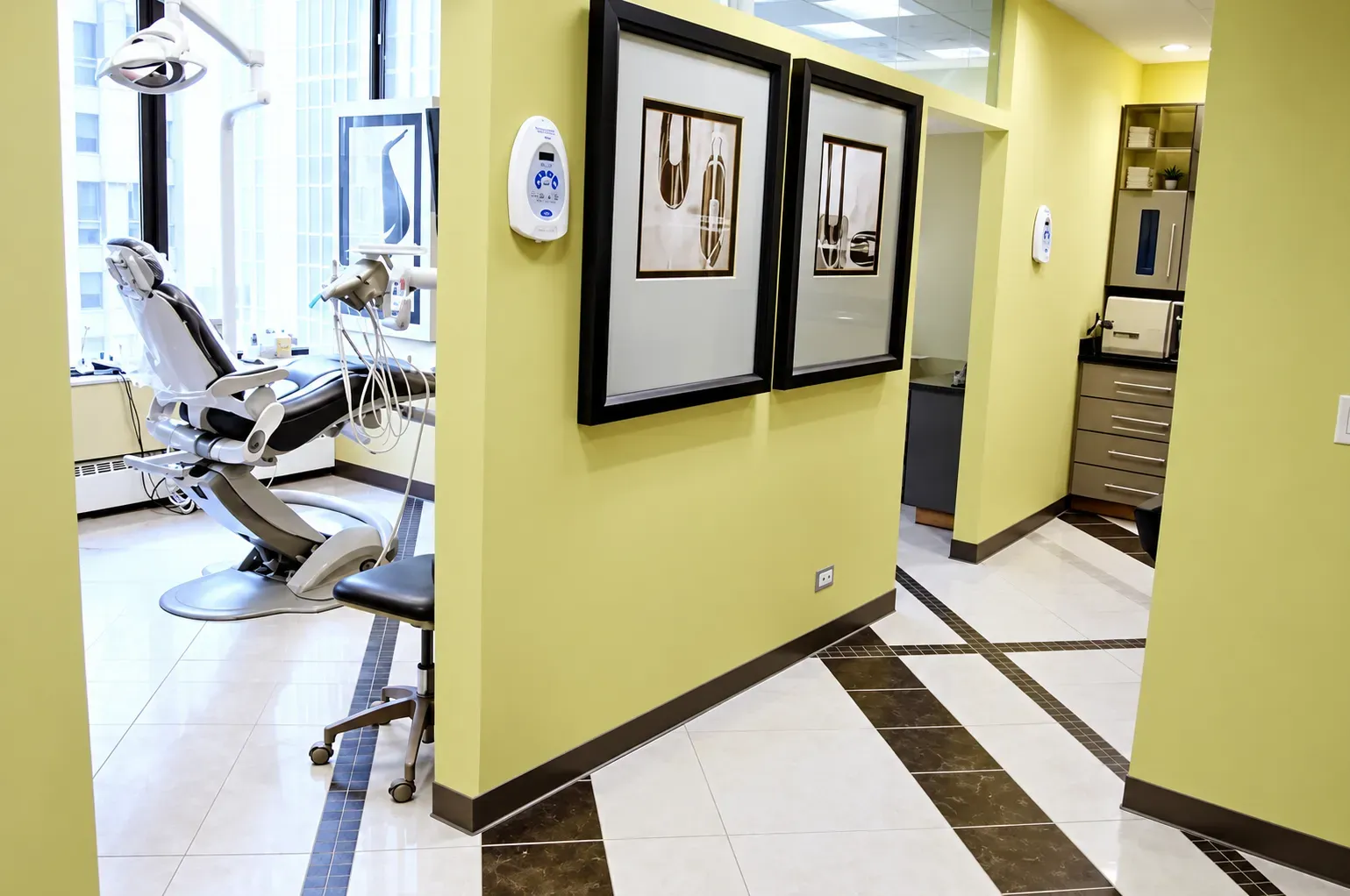
Finding a dentist you can contact when a dental problem develops is an important part of maintaining your oral health.
East Erie Dental serves patients at its downtown Chicago location and offers dental services that include general dentistry, teeth whitening, Invisalign, dental implants, root canal treatment, dentures, and other dental care.
If you are researching a new dental provider, you may also find our related resources helpful:
- Best Dentists Chicago: Learn what to consider when comparing dental providers.
- Top Rated Dentists Chicago: Understand how patient reviews, professional qualifications, and service offerings can inform your decision.
- Dental Office Chicago: Explore what to look for when choosing a convenient dental practice.
- Dental Clinic Near Me: Review factors that matter when finding a local dental provider.
- Walk-In Dentists Chicago: Learn how to look for practices that may accommodate urgent appointments.
Use the relevant published pages as internal links, and ensure each article provides distinct information rather than repeating the same content.
Please remember that East Erie Dental’s current opening hours and emergency appointment availability should be confirmed directly. Do not assume the office provides overnight or 24-hour treatment without confirmation.
Frequently Asked Questions About a 24 Hour Dentist in Chicago
Q1. Where can I find a 24 hour dentist in Chicago?
Ans: Search for emergency dental services in your area and confirm whether the practice is genuinely open 24 hours or provides after-hours assistance. Ask about your symptoms and whether immediate evaluation is available. If you have a medical emergency affecting breathing or swallowing, call 911.
Q2. Does East Erie Dental offer 24-hour emergency dental services?
Ans: Contact East Erie Dental directly to confirm current office hours, emergency arrangements, and appointment availability. Do not assume that the practice is open overnight unless this has been confirmed.
Q3. Can I get a same-day emergency dentist appointment in Chicago?
Ans: Some dental offices accommodate urgent or same-day appointments, depending on staffing, scheduling, and the nature of the problem. Call before visiting, explain your symptoms, and ask what options are available.
Q4. What should I do if I have severe tooth pain at night?
Ans: Rinse your mouth gently with warm water, avoid chewing on the affected tooth, and seek professional advice. Use over-the-counter pain medication only according to its directions and if it is safe for you. Do not delay urgent care if you develop swelling, fever, or worsening symptoms.
Q5. Is a dental abscess an emergency?
Ans: A suspected dental abscess requires prompt professional assessment because infection can spread. Facial or neck swelling with difficulty breathing or swallowing is a medical emergency. Do not try to drain the abscess yourself.
Q6. Can an emergency dentist save a knocked-out tooth?
Ans: A knocked-out permanent tooth may sometimes be saved, but the outcome depends on factors such as the time elapsed and how the tooth has been handled. Keep it moist, avoid touching the root, and seek immediate dental care.
Q7. Should I visit a hospital emergency room for a toothache?
Ans: A hospital emergency department is appropriate for serious medical symptoms, including breathing difficulties, swallowing difficulties, or major facial trauma. For a toothache without those symptoms, urgent dental care is generally the appropriate route for definitive treatment. If you are uncertain about the severity, seek medical advice.
Q8. How much does an emergency dental appointment cost in Chicago?
Ans: Costs vary depending on the examination, diagnostic imaging, treatment required, insurance coverage, and the practice’s fees. Ask for an estimate before treatment when circumstances allow. If you have a serious emergency, do not delay necessary medical care because you are unsure about costs.
Q9. What should I look for when choosing the best dentist in Chicago?
Ans: Consider professional qualifications, relevant experience, services offered, office location, communication, transparent fees, and patient feedback. Online ratings can be helpful, but they should not be the only factor in your decision.
Q10. How can I reduce my risk of dental emergencies?
Ans: Schedule regular dental check-ups, maintain good oral hygiene, wear a mouthguard during contact sports, avoid chewing ice or other very hard objects, and address dental pain or damaged restorations early.
Final Thoughts: Don’t Ignore a Dental Emergency
Searching for a 24 hour dentist in Chicago can feel overwhelming when you are in pain or worried about a damaged tooth. Knowing the warning signs, understanding basic first aid, and confirming a dental office’s actual availability can help you make a safer decision.
For Chicago patients, East Erie Dental is a local resource to contact about dental services and appointment options. Whether you are experiencing tooth pain, a damaged crown, or another dental concern, ask a dental professional about the appropriate next step.
Your oral health deserves timely attention. If symptoms are severe or worsening, seek appropriate care rather than waiting for the problem to resolve on its own.
Medical information note: This article provides general educational information and is not a substitute for an examination or individualized advice from a qualified dental professional.
More Blog Posts






Copyright © East Erie Dental - SE Chicago Dentistry. All Rights Reserved
(312) 587-0200
You have loaded the Cookie Policy without javascript support. On AMP, you can use the manage consent button on the bottom of the page.